
Building the Evidence Base
The case for ibogaine therapy isn’t built on anecdote alone. A growing body of peer-reviewed research — published in journals including Nature Medicine — documents ibogaine’s potential to interrupt addiction, reduce PTSD symptoms, and promote neurological healing. While much work remains, the evidence is compelling enough that states, researchers, and medical institutions are investing in expanded clinical study.
Americans for Ibogaine supports and advocates for rigorous, FDA-pathway research. We believe the best way to ensure safe, legal access to ibogaine is through the same clinical trial process that governs all approved medicines.
Key Studies & Findings
A landmark clinical trial with Special Operations veterans demonstrated significant improvements in PTSD, depression, and anxiety following ibogaine treatment. Participants showed measurable reductions in symptom severity that persisted at follow-up assessments.
Numerous studies have documented ibogaine ability to reduce opioid withdrawal symptoms and cravings, with some patients reporting complete interruption of withdrawal within hours of treatment.
Systematic reviews of available ibogaine literature have concluded that while more large-scale trials are needed, existing evidence supports ibogaine potential as a treatment for substance use disorders and related psychiatric conditions.
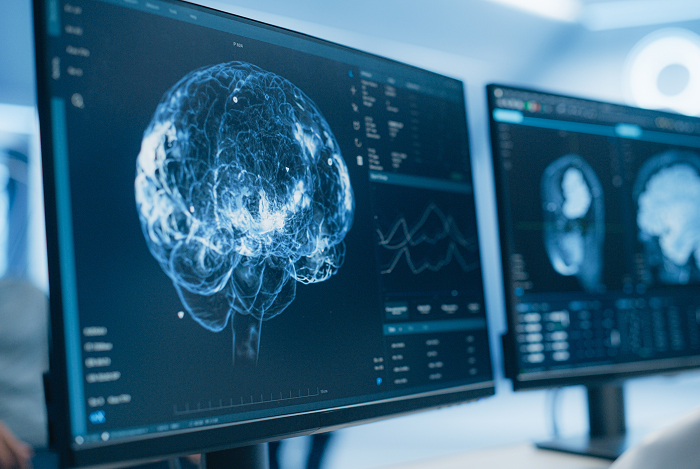
Early-stage studies are exploring ibogaine effects on neuroplasticity and cognitive function in patients with traumatic brain injury, with preliminary results suggesting therapeutic potential.
The Case for Medical Supervision
Why This Matters
For policymakers, these findings mean ibogaine merits serious legislative consideration — not dismissal based on outdated assumptions. For patients and families, they mean that hope is grounded in evidence, not wishful thinking. And for the research community, they signal an opportunity to advance a treatment modality that could reshape how we approach addiction and trauma.